Enrolling Fall 2026

HERO LAB · NCT07640685

The Magnesium
Formulation Study

Three groups. Five weeks. A closer look at sleep, recovery, and performance in UCLA varsity athletes.

View trial registration
Conceptual illustration of equal assignment. Capsules and tokens are illustrative.

Does the formulation
make a difference?

This randomized, blinded study will compare magnesium glycinate and magnesium L-threonate with a matching placebo, following athletes in daily life and through structured testing.

The primary question: does sleep efficiency change from the baseline week to the final treatment week?

Planned enrollment
150 athletes
Population
UCLA varsity
Assignment
Randomized 1:1:1
Study format
Blinded, placebo-controlled

From starting point
to final measurement.

One baseline week. Four treatment weeks.
WHOOP 5.0 monitoring throughout.

01 / Study groups

Two formulations.
One matching placebo.

Participants are randomly assigned in equal proportions. Treatment assignment is blinded.

The study is designed to evaluate these questions; results are not yet available.

  1. 01

    Magnesium glycinate

    Study formulation

  2. 02

    Magnesium L-threonate

    Study formulation

  3. 03

    Matching placebo

    Comparison group

02 / Baseline week

First, establish
the starting point.

One week of wearable monitoring provides each athlete’s reference for sleep and recovery, before treatment begins.

Baseline assessments also establish starting performance measures.

The five-week study

  1. BBaseline
  2. 1Week 1
  3. 2Week 2
  4. 3Week 3
  5. 4Week 4
WHOOP 5.0 monitoring throughout

Baseline sleep efficiency is compared with the final treatment week.

03 / Four treatment weeks

Nightly capsules.
Daily-life monitoring.

Participants take their assigned study capsules nightly for four weeks, while WHOOP 5.0 monitoring continues.

Brief daily surveys and weekly adherence and safety check-ins support follow-up.

The five-week study

  1. BBaseline
  2. 1Week 1
  3. 2Week 2
  4. 3Week 3
  5. 4Week 4
WHOOP 5.0 monitoring throughout

Nightly study capsules during weeks 1–4.

04 / Measurements

Sleep at the center.

Primary outcome

Change in WHOOP-derived sleep efficiency from the baseline week to the final treatment week.

Performance assessments compare baseline and final testing.

Secondary outcomes

Recovery + performance

  • Sleep duration and consistency
  • HRV, resting heart rate, and WHOOP Recovery Score
  • Reaction-time performance
  • VALD grip-strength and countermovement-jump testing

Study visits, eligibility, capsule instructions, and participation requirements are confirmed by the study team. Read the registered protocol

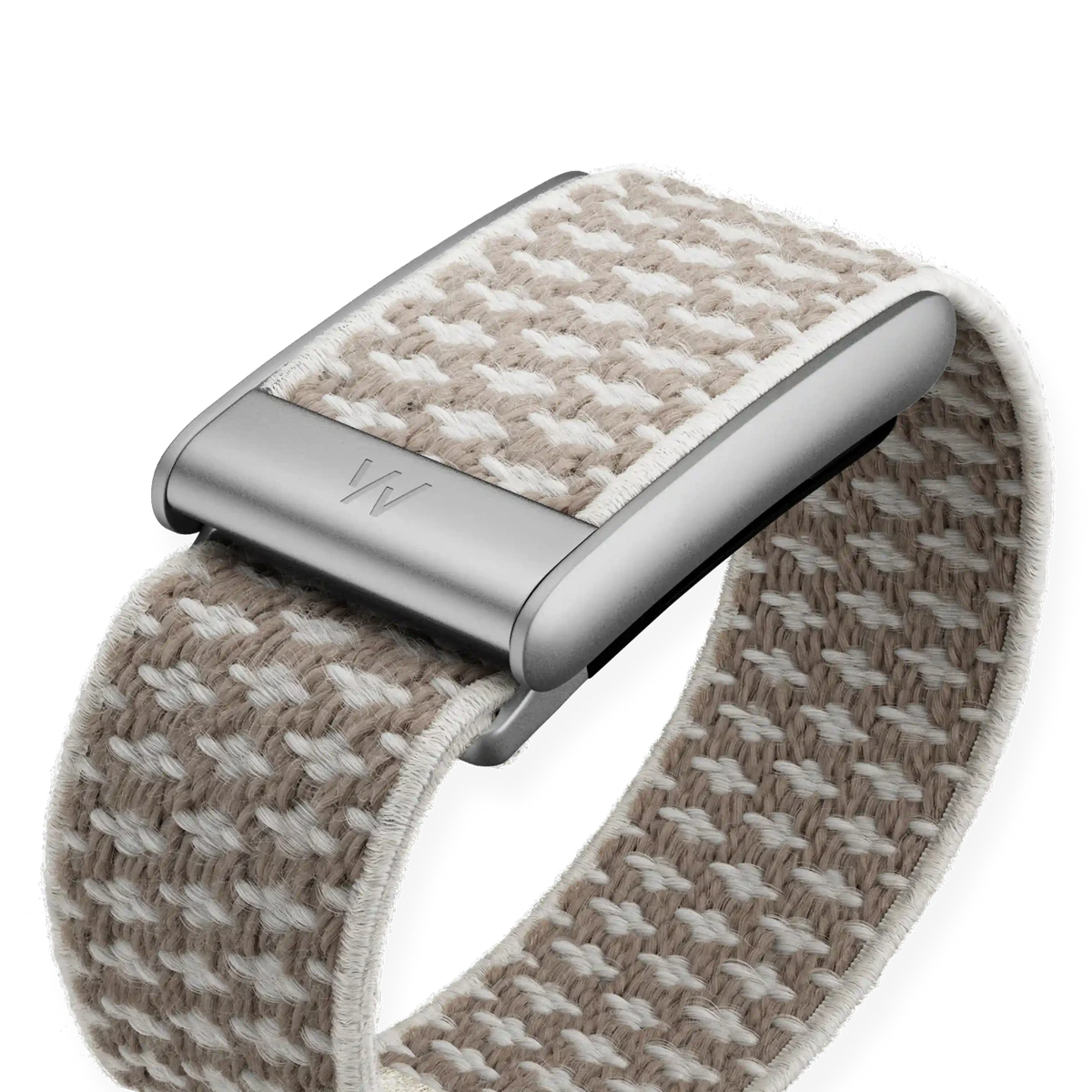
WHOOP 5.0 wearable with an ivory CloudKnit band
WHOOP 5.0 · Official product image. Band shown for illustration.

The study continues
beyond the lab.

WHOOP 5.0 will follow sleep and recovery across the baseline and treatment periods, giving the research team repeated measurements during athletes’ daily lives.

Sleep
Sleep efficiency is the primary outcome. Duration and consistency provide additional context.
Recovery
HRV, resting heart rate, and WHOOP Recovery Score are secondary measures.
Performance
Structured reaction-time and VALD testing complement wearable monitoring.

Planned measurements describe what the study will test; they are not findings of a treatment benefit.

A team behind every question.

Meet the team
Featuring the HERO Lab team, prior study testing, and conceptual study animations.Download vertical film
Enrolling Fall 2026

Be part of the next question.

UCLA varsity athletes can contact the research team about eligibility, study visits, and enrollment. Participation is confirmed through the study team.

Email the study team

A new study. A separate trial.

This formulation study (NCT07640685) is distinct from HERO Lab’s completed magnesium L-threonate trial (NCT07015047). Explore the earlier MgT study

Study design is based on the ClinicalTrials.gov record reviewed September 6, 2026. Fall 2026 enrollment timing, WHOOP partnership, and WHOOP 5.0 use reflect updates from the HERO Lab study team.