Advancing the science of sleep, recovery, and athletic performance through rigorous clinical research and wearable technology.
The HERO Lab — Human Enhancement Recovery Optimization — is a research collaboration between UCLA and UCSF dedicated to advancing the science of human performance and recovery.
In partnership with WHOOP, we combine wearable biometric data with rigorous clinical trial methodology to answer the questions that matter most to athletes: How do I sleep better? How do I recover faster? How do I perform at my peak?
Our research moves beyond one-size-fits-all approaches. By integrating continuous physiological monitoring with objective performance testing, we identify individualized strategies for sleep optimization, targeted supplementation, and recovery protocols.
Our clinical trials use randomized, placebo-controlled designs combined with continuous wearable monitoring to generate high-quality evidence.
NCT07015047 · Randomized, Double-Blind, Placebo-Controlled Trial
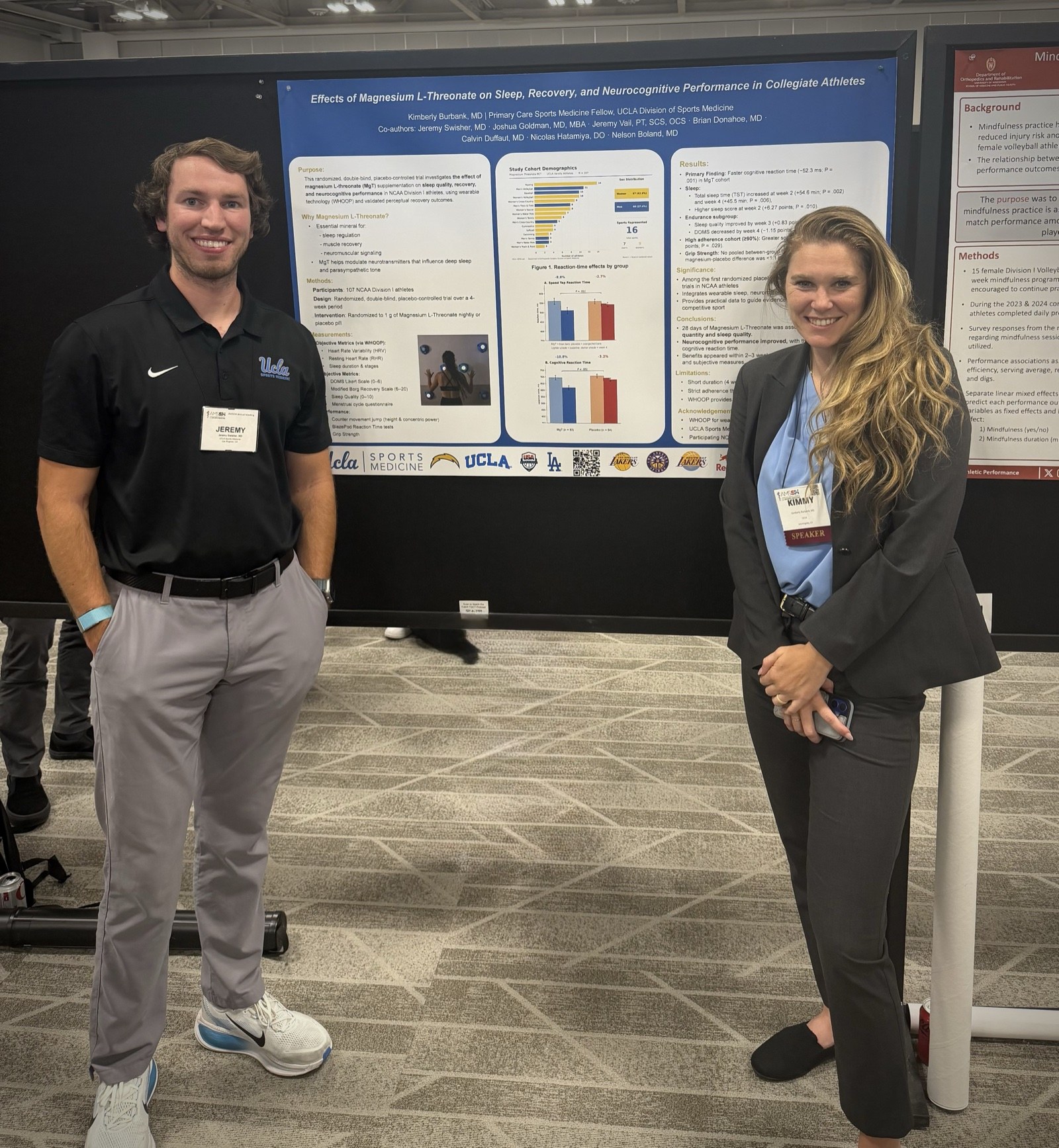
Pilot results from 107 NCAA Division I athletes were presented at the 2026 AMSSM Annual Meeting, demonstrating faster cognitive reaction time and improved sleep quantity and quality with brain-targeted magnesium (MgT) supplementation. A full manuscript is in preparation.
NCT06565468 · Prospective Cohort Crossover Study
Assessed the impact of cold water immersion (CWI) on objective and subjective recovery metrics in NCAA Division I athletes, using continuous WHOOP biometric monitoring to identify individual responders.
IRB #24-000791 · Prospective Cohort Study
Investigating objective physiological and oculomotor biomarkers to track concussion recovery in NCAA Division I athletes, with the goal of developing data-driven return-to-play protocols.
Investigating how targeted interventions affect deep sleep, REM sleep, and sleep consistency in athletes using continuous wearable monitoring.
Studying cold-water immersion, supplementation, and other recovery modalities to develop personalized protocols based on individual physiological responses.
Leveraging WHOOP data—HRV, resting heart rate, respiratory rate—to identify individual responders and predict recovery trajectories.
Measuring reaction time, skill execution under cognitive load, and decision-making to understand the brain-body connection in athletic performance.
Rigorous, placebo-controlled testing of supplements including magnesium L-threonate and creatine to establish evidence-based recommendations for athletes.
Developing frameworks for using biometric data to guide training load, inform return-to-play decisions, and reduce injury risk across collegiate sports.
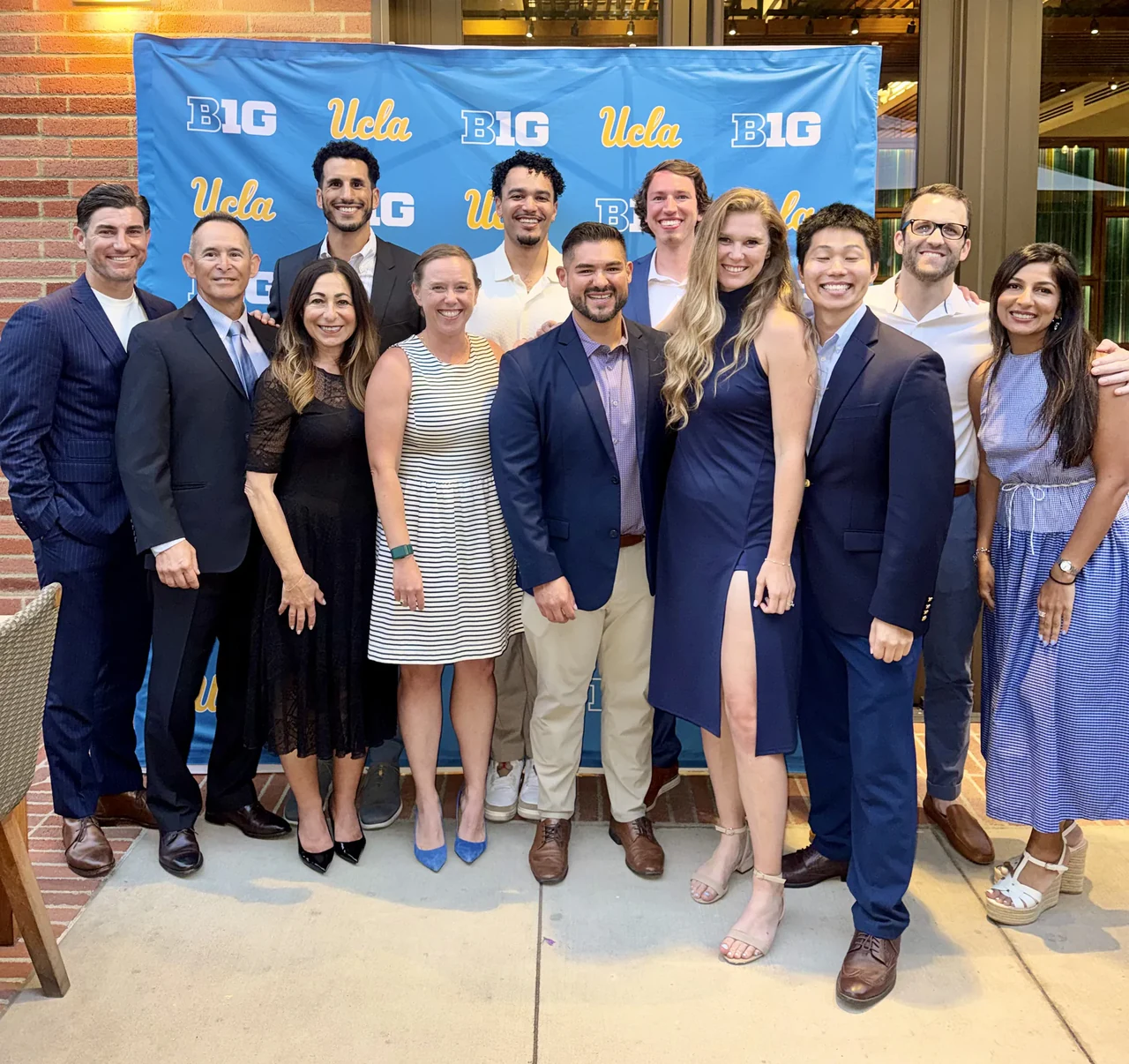
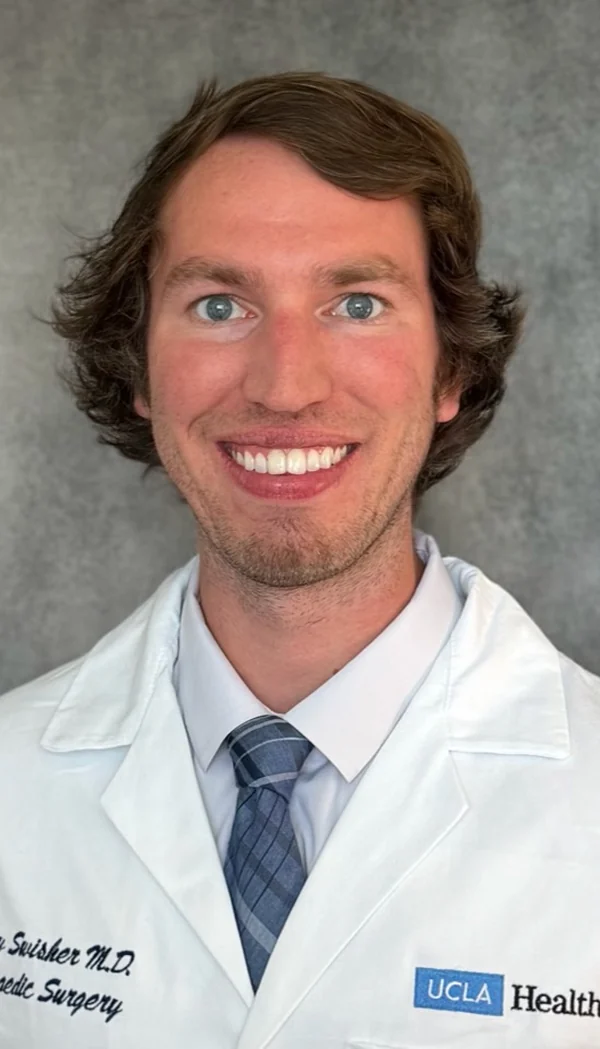
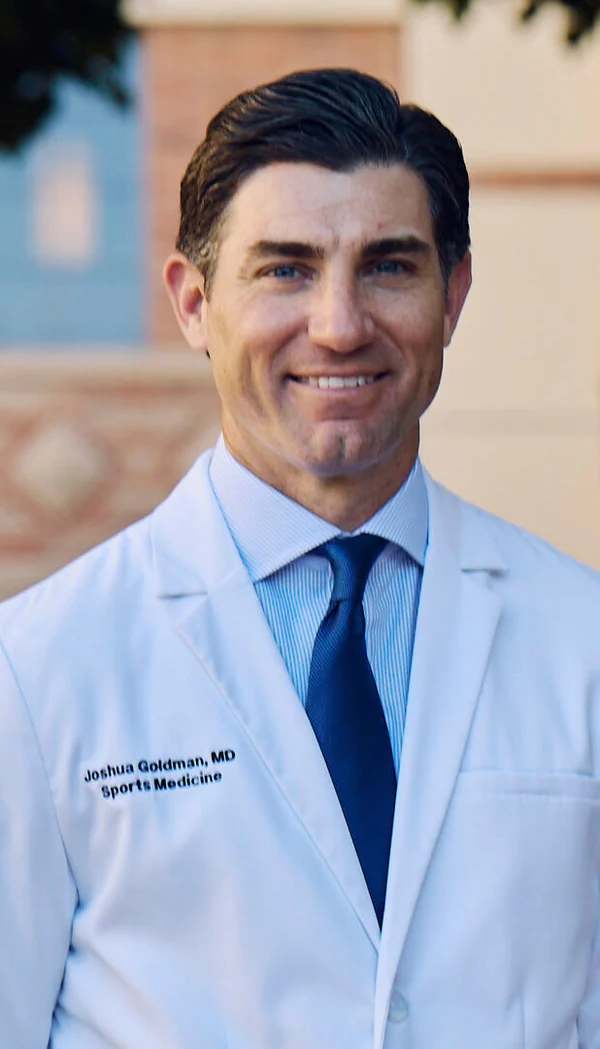
Our team combines clinical sports medicine expertise with research methodology across two leading academic medical centers.
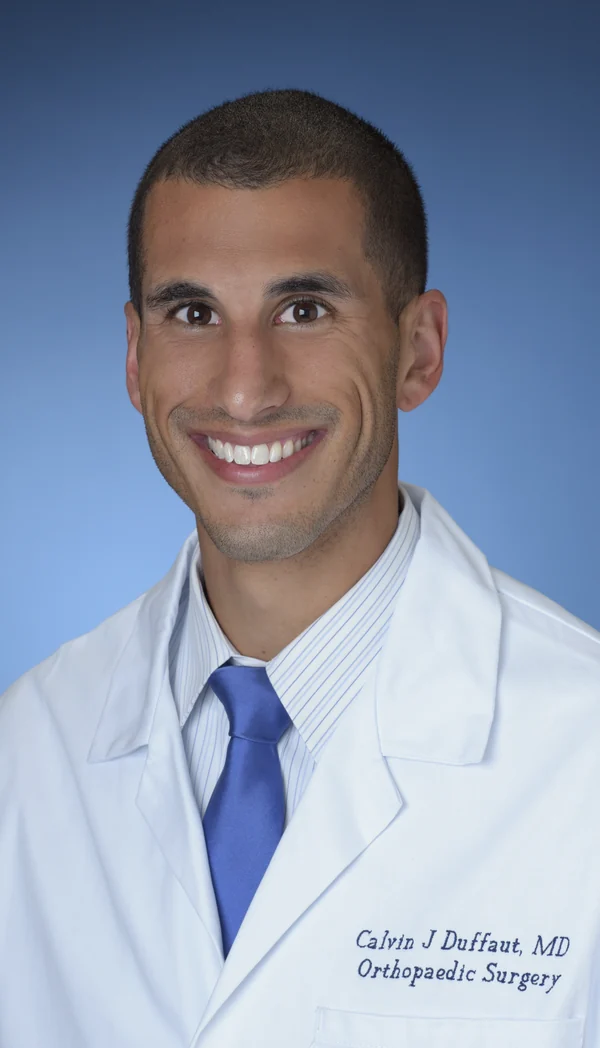
Principal Investigator
UCLA · David Geffen School of Medicine
HS Assistant Clinical Professor, Department of Orthopaedic Surgery
Team physician for UCLA Women's Volleyball and Swim & Dive. Research focuses on concussion, wearable physiological monitoring, recovery science, and injury prevention. Previously provided medical coverage for the LA Lakers, LA Dodgers, and LA Sparks.
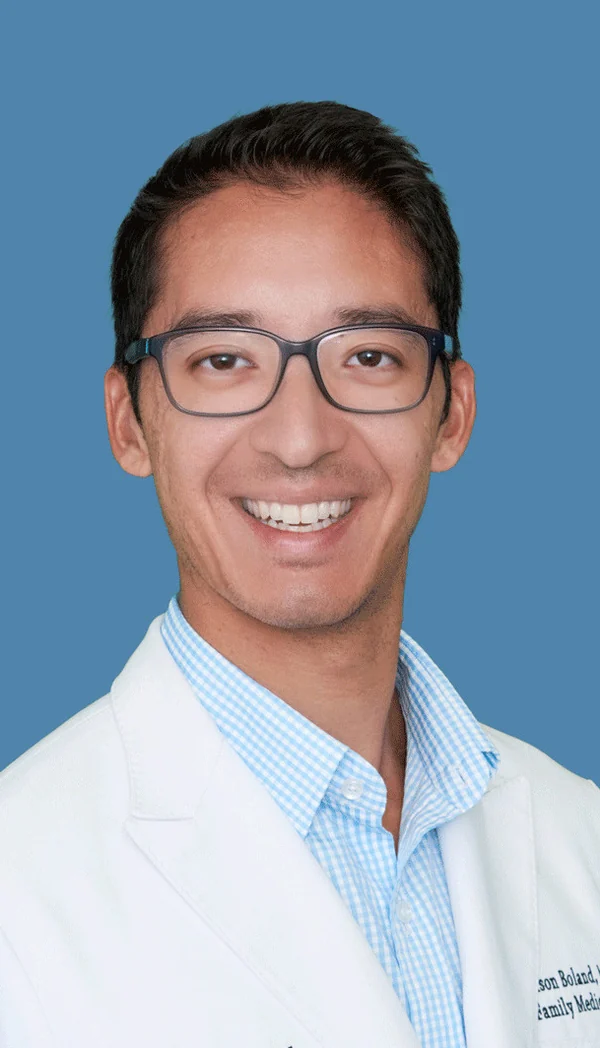
Principal Investigator
UCLA · David Geffen School of Medicine
Associate Clinical Professor, Departments of Family Medicine & Orthopaedic Surgery
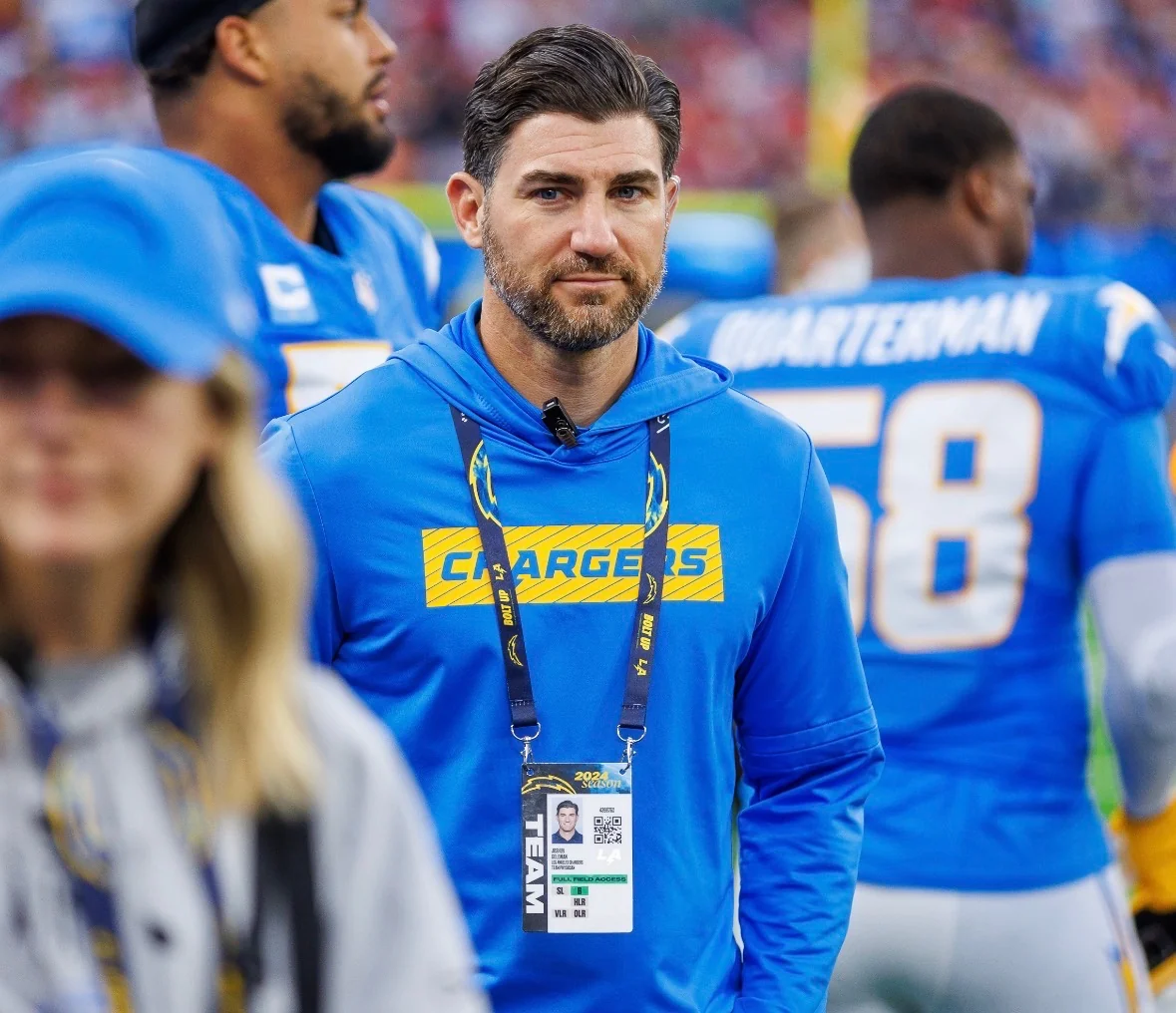
Team physician for the Los Angeles Chargers (NFL) and UCLA Beach Volleyball. Associate Director of the UCLA Steve Tisch BrainSPORT Program. Program Director for the UCLA Primary Care Sports Medicine Fellowship. Research spans sleep and athletic performance, youth sports, and concussion.
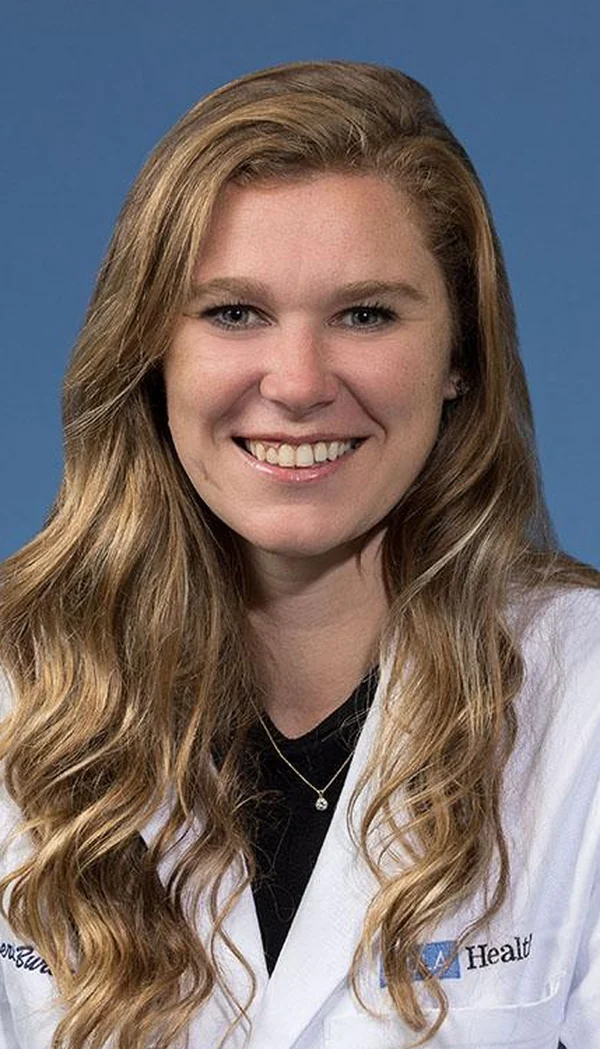
Sports Medicine Fellow · AMSSM 2026 Presenting Author
UCLA · David Geffen School of Medicine
Primary Care Sports Medicine Fellow, Department of Family Medicine
Sports medicine fellow and team physician for UCLA Women's Golf, Women's Tennis, Men's Volleyball, and Softball. Presenting author of the HERO Lab Magnesium L-Threonate poster at AMSSM 2026. Research interests include concussion, athletic performance, and sleep in elite athletes.
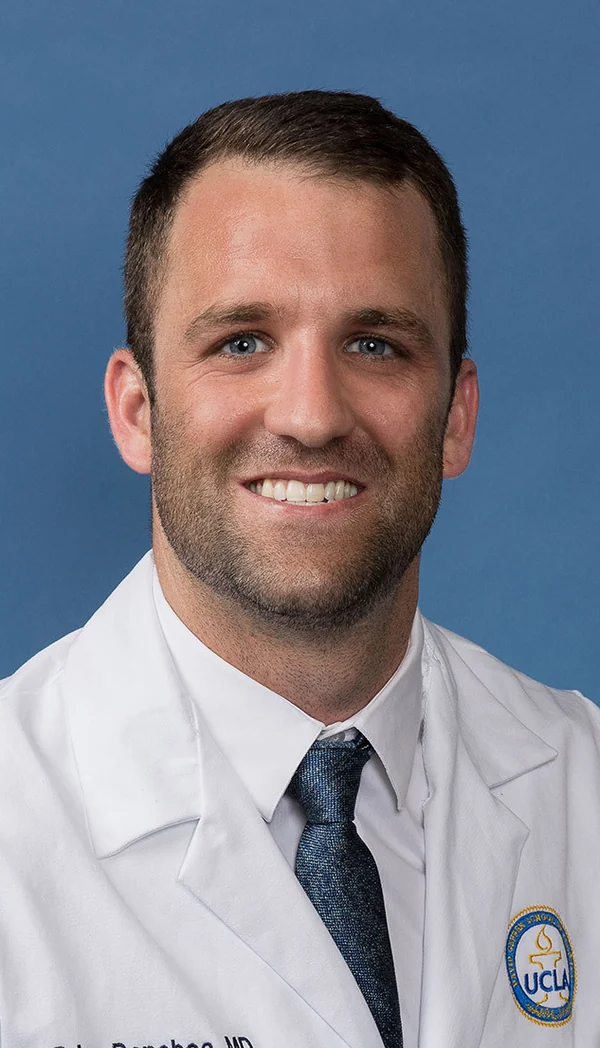
Co-Investigator
UCLA · David Geffen School of Medicine
HS Assistant Clinical Professor, Department of Family Medicine
Primary care sports medicine physician specializing in musculoskeletal ultrasound. Graduate of the David Geffen School of Medicine and UCLA Sports Medicine Fellowship. Former NCAA water polo athlete at UC San Diego.
Co-Investigator
UCLA · David Geffen School of Medicine
Associate Clinical Professor, Departments of Family Medicine & Orthopaedic Surgery
Team physician for UCLA Men's Basketball and Football, the LA Sparks, and USA Basketball. Dual-trained in Internal Medicine and Pediatrics with research focused on sleep and athletic performance, and mental health in collegiate athletes.
Co-Investigator
UCLA Health
Sports Medicine & Family Medicine Physician
Sports medicine physician at UCLA Health Malibu. Graduate of Baylor College of Medicine and the UCLA Sports Medicine Fellowship. Specializes in non-surgical orthopedic conditions and musculoskeletal ultrasound.
Collaborating Investigator
UCSF · Department of Orthopaedic Surgery
Assistant Professor, Primary Care Sports Medicine; Fellowship Program Director
UCSF faculty and fellowship program director in primary care sports medicine. UCLA Sports Medicine Fellowship graduate with research interests in digital health technologies and wearable-based athlete monitoring.
Director of Rehabilitation
UCLA Athletics
Board-Certified Sports & Orthopedic Clinical Specialist
Director of Rehabilitation for UCLA Athletics. Board-certified Sports Clinical Specialist (SCS) and Orthopedic Clinical Specialist (OCS) supporting performance testing, injury prevention, and return-to-play protocols across multiple UCLA sports programs.
Clinical Journal of Sport Medicine, 2024
Characterized sleep patterns across UCLA varsity athletes using WHOOP wearable data, finding average sleep consistency of 61.6% and identifying key differences across sports, sex, and training phases.
View on PubMedAMSSM 35th Annual Meeting · 2025
Prospective cohort crossover study in 37 NCAA Division I athletes demonstrating that CWI reduces muscle soreness across all athletes (p = 0.013) and meaningfully improves HRV (↑9.6 ms, p = 0.017), RHR (↓1.2 bpm, p = 0.016), and recovery (↑3.5%, p = 0.008) in a wearable-identified responder subgroup — supporting individualized, data-driven recovery protocols.
Presenting Author: Jeremy Swisher, MD · UCLA Sports Medicine
View Study DetailsAMSSM 36th Annual Meeting · April 24–29, 2026 · Seattle, WA
Randomized, double-blind, placebo-controlled pilot trial in 107 NCAA Division I athletes. Headline findings: faster cognitive reaction time (−52.3 ms, p = 0.001), increased total sleep time (+54.6 min at Week 2, p = 0.002), and higher WHOOP sleep score (+6.27 pts, p = 0.010) in the MgT group vs. placebo.
Presenting Author: Kimberly Burbank, MD · UCLA Primary Care Sports Medicine Fellow
View Study DetailsAMSSM 36th Annual Meeting · April 24–29, 2026 · Seattle, WA
Preliminary observational study of 11 NCAA Division I athletes (8 female, 19.8 ± 1.4 yrs) evaluating early resistance training during acute concussion recovery. 0/11 athletes had worse SCAT6 scores after weightlifting. SCAT6 scores dropped 22.9 → 0.9 (96% reduction, p = 0.002, d = −1.26). Earlier weightlifting correlated with faster symptom resolution (ρ = 0.75, p = 0.005).
UCLA Sports Medicine, Department of Orthopaedic Surgery
View Study DetailsNCT07015047 · Peer-Reviewed Publication Pending
Building on the 107-athlete AMSSM 2026 pilot poster, the full trial dataset is being prepared for submission to a peer-reviewed sports medicine journal, with additional subgroup and longitudinal analyses.
View on ClinicalTrials.govDownloadable posters, one-paragraph press summaries, and approved logos for journalists, conference organizers, and partners covering HERO Lab research.
In a randomized, double-blind, placebo-controlled pilot trial of 107 NCAA Division I athletes at UCLA, nightly Magnesium L-Threonate (1 g) produced a 52.3 ms faster cognitive reaction time (p = 0.001), 54.6 additional minutes of total sleep time at Week 2 (p = 0.002), and a 6.27-point improvement in WHOOP sleep score (p = 0.010) compared to placebo. Benefits emerged within 2–3 weeks and were supported by both wearable and subjective measures. Presented April 2026 at the 36th AMSSM Annual Meeting in Seattle, WA.
In a preliminary observational study of 11 NCAA Division I athletes (8 female, mean age 19.8 ± 1.4 years), supervised weightlifting was introduced a mean of 5.2 ± 2.0 days after concussion. No athlete had a worse SCAT6 score after weightlifting, and mean symptom scores dropped 96% (22.9 → 0.9, p = 0.002, Cohen's d = −1.26). Weightlifting was perceived as less exertional than the standardized Buffalo Concussion Treadmill Test (RPE 11.1 vs. 15.1, p = 0.002), and earlier weightlifting correlated with faster symptom resolution (ρ = 0.75, p = 0.005). Presented April 2026 at the 36th AMSSM Annual Meeting in Seattle, WA.
For interviews, high-resolution logos, or additional information, contact our team directly.
Recent coverage of HERO Lab research and recent speaking engagements.
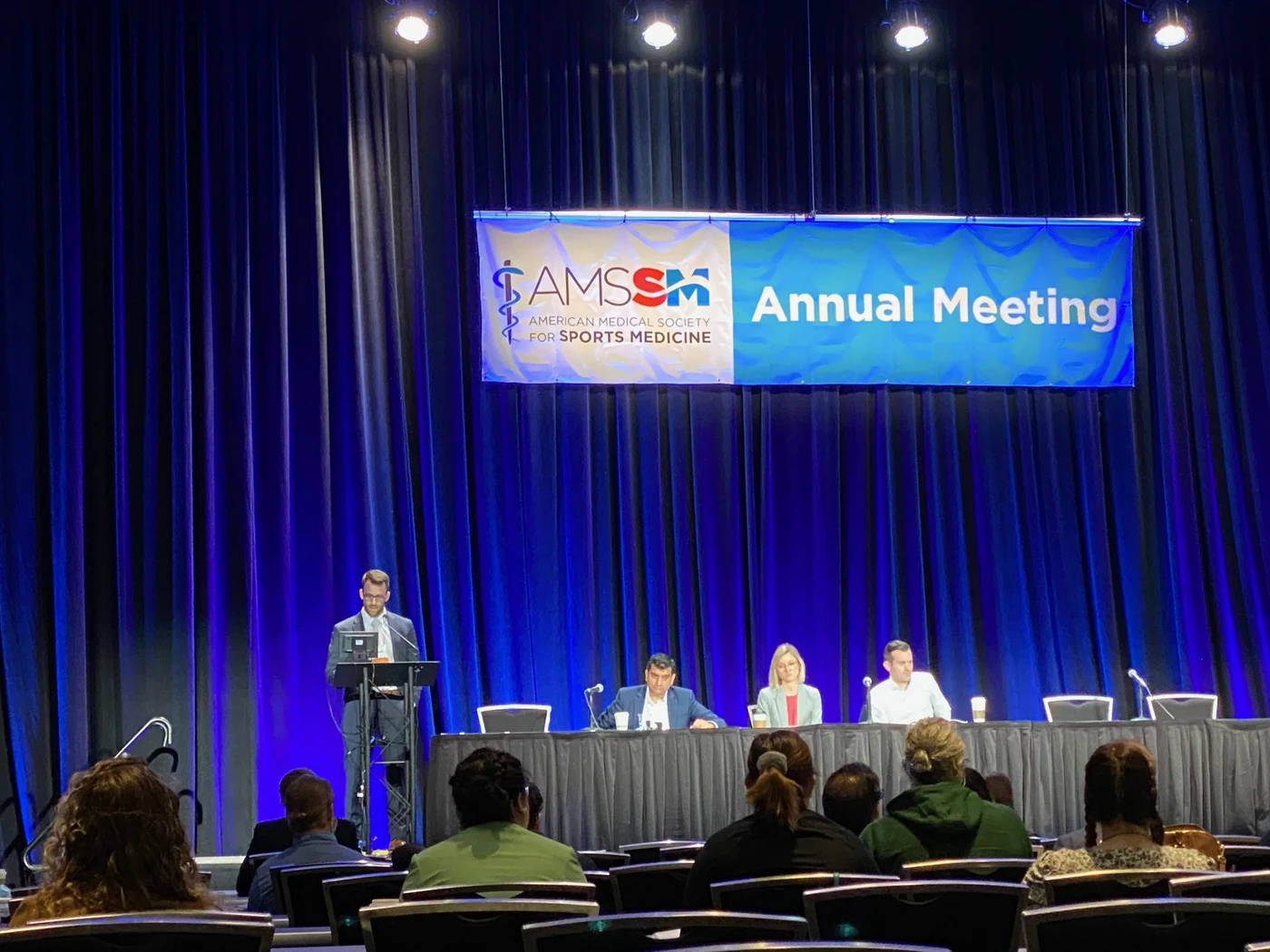
The HERO Lab presented findings from its Magnesium L-Threonate pilot trial and its early-resistance-exercise concussion observational study at the 36th American Medical Society for Sports Medicine Annual Meeting in Seattle, WA. Both poster PDFs and full study pages are now available.
Dr. Jeremy Swisher delivered a podium presentation at the 35th AMSSM Annual Meeting on the HERO Lab's CWI crossover study in 37 NCAA Division I athletes — demonstrating pooled reductions in muscle soreness and individualized responder benefits identified through continuous WHOOP monitoring.
Our research is grounded in the existing scientific literature. Explore the evidence that drives each of our focus areas.
Magnesium plays a key role in sleep regulation, but existing evidence in athletes is limited. MgT uniquely crosses the blood-brain barrier, making it a promising candidate for improving sleep architecture.
Meta-analyses support CWI for reducing muscle soreness, but optimal protocols remain unclear. Our research uses wearable biometrics to identify individual responders.
Return-to-play decisions rely on subjective symptom reporting. Dr. Goldman’s CARE Consortium research established blood-based biomarkers for concussion, and our work extends this with wearable and oculomotor monitoring.
WHOOP has been validated for heart rate, HRV, and sleep detection. Our team published foundational data on sleep in NCAA athletes using WHOOP, enabling continuous monitoring that traditional assessments cannot capture.
Interested in collaborating or learning more about our methodology? We welcome inquiries from researchers in sports medicine, sleep science, and exercise physiology.
Email UsUCLA varsity athletes interested in participating in our current or upcoming studies can reach out to learn about eligibility and enrollment.
View Current StudiesWe partner with companies committed to evidence-based product development. If your organization is interested in research collaborations, we'd like to hear from you.
Partner With UsDavid Geffen School of Medicine
Department of Orthopaedic Surgery
Los Angeles, CA
Department of Orthopaedic Surgery
San Francisco, CA